
Child Guidance Services, Oklahoma Department of Health
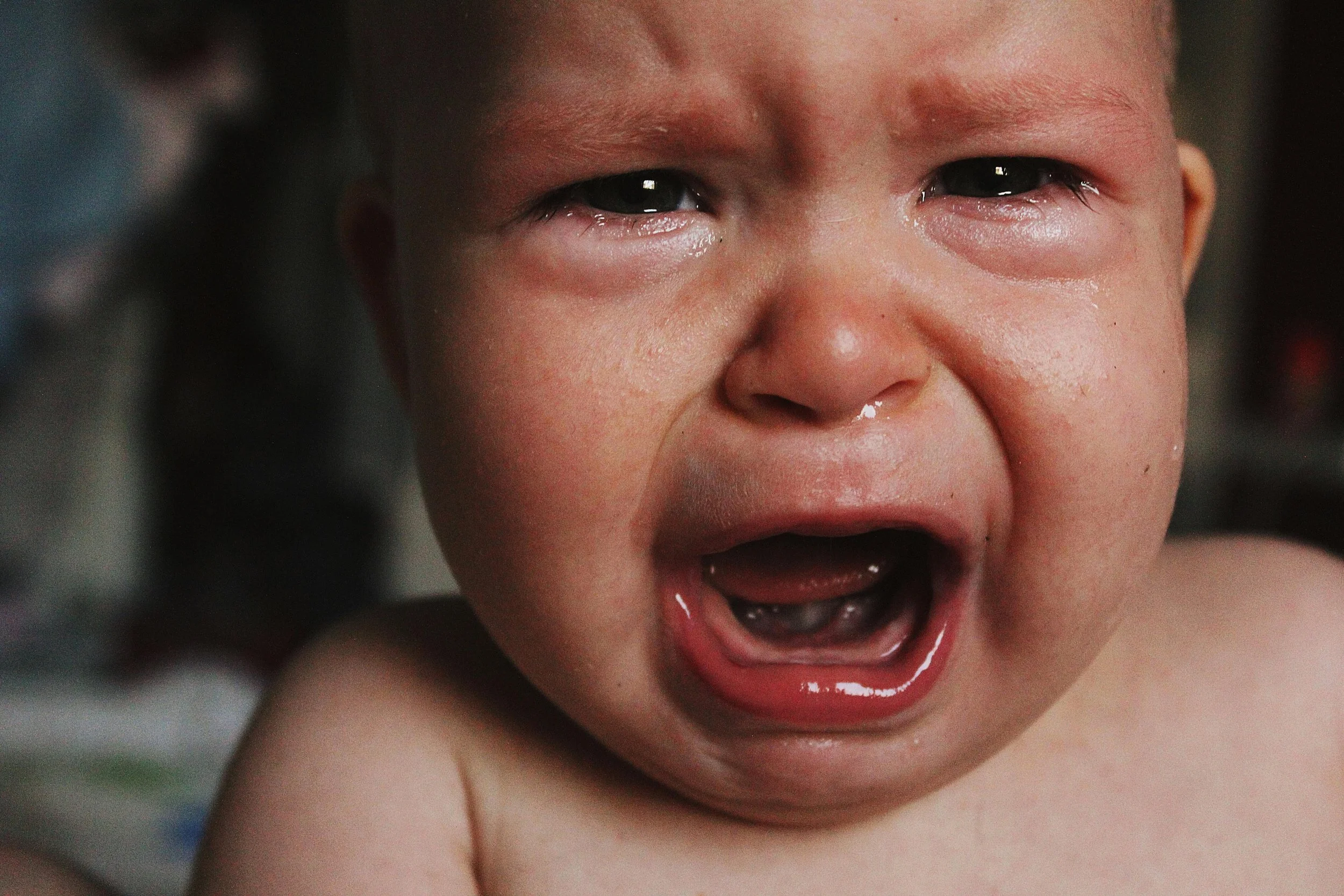
Most young children have temper tantrums. They may throw themselves on the floor, kick, cry, shout, hit, bite, and even hold their breath. Tantrums probably mean that the child is overcome with frustration or anger
Tantrums may happen when a child is:
Tired, hungry, uncomfortable, or not feeling well
Too warm, scratchy, or wearing tight clothes
Wanting independence (''I can do it myself.")
Frustrated (sharing toys, unable to do a task)
Not given structure (changing rules, no regular routine)
Expected to do more than he is capable of doing (such as sitting quietly for too long)
Asked to stop an activity and do another (stop playing and get dressed)
To prevent tantrums:
Watch for signals from your child. Parents usually know when a child is tired, hungry, or needing a break from too much activity.
Make sure that he has a nap when he is tired, and a light snack or a meal when he needs food.
If she is getting too wound up and needs help to relax, you might sit and read to her or give her a bath. Rowdy activities should be followed by quiet activities.
Find out if your expectations for your child's behavior are too high or low.
Plan activities for the family around the child's routines when possible.
Before asking a child to stop one activity and start another, give a few minutes warning to help the child prepare for the change. This may prevent a tantrum.
When a tantrum occurs:
Because all children are different and the reasons for tantrums vary, you will need different ways to handle tantrums.
Try to remain calm. (This may be difficult!)
Tentatively name what you think the child is feeling. (''It is frustrating when the toy doesn't work.”) This helps the child to understand what he is feeling and may give him words to use to express that feeling.
Redirect the child's attention to something else. (If he is upset because he can't climb on the cabinets find him a safe place to practice climbing).
There may be times that, after trying the above, the child is still very upset and needs to release his or her frustrations. At this point you may choose to give the child some space. This allows the child to calm down and you to keep your frustrations in check. (''I can see you are very angry. I'm going to leave you alone until you calm down.")
Once the child begins to calm down, a parent may offer to comfort the child. Being out of control can be very scary for the child. However, if the child is not ready when you offer comfort wait until he is ready,
Depending on the personality of the child, he may want to be held, talked to, distracted, or simply left alone until he is ready to interact on his own.
When a tantrum occurs in a public place, you may need to look for a quiet place, such as your
car, for you and your child to take a break until he is back in control.
Remember:
Sometimes adults have fits too. We sometimes stomp our feet, slam doors, shout, throw things or drive too fast. One of the ways children learn how to manage strong emotions is by watching us handle ours!
A tantrum is a child's way of communicating his strong emotions which he is still learning to handle. Typically, children's temper tantrums decrease as their use of language and coping abilities increase.
You cannot reason with a child in the middle of a tantrum. So wait!
Just as adults want to share their frustrations with someone, so do young children. That is why they seldom tantrum alone.
For help with your child’s behavior issues, contact your local Health Department or Healthy Steps Specialist.